
Month: July 2022

  • How to Make Friends as an Introvert with Social Anxiety

    How to Make Friends as an Introvert with Social Anxiety

    Making friends is tough if you’re not naturally extroverted, or if your brain freezes up when you try to hold a conversation. As an introvert myself, I struggled for a long time. But becoming a therapist has helped me put the strategies that worked for me into words, and I bet they could help you, too. So here are my top tips for how to make friends as an introvert with social anxiety!

    1. Prepare go-to topics.

    Have a fallback for when you’re not sure what to say. This is especially helpful for small talk, and getting through those first few conversations. My favorites:

    • Make an observation about something you both have in common. If you’re working together, you might say, “How long have you been here? What’s it like?” Or if you’re meeting for a hobby group: “So what got you interested in this?”
    • Compliment them on something they chose. “I like your shoes, where did you get them?” “That’s a sweet cell phone case.” Picking something they chose is also less likely to sound intrusive than commenting on their body.
    • Ask if they have a pet! Everyone who has a pet will love talking about it. If they don’t have a pet, shift to “What would you want if you did have one?” You can also show them pictures of your own pets.

    2. Find predictable ways to connect.

    Structured activities like board games, sports, or trivia nights are great for this. It gives you something to focus on and talk about with others. Plus, team games help people bond quickly. And you won’t have to figure out what’s coming next, so it’s less awkward.

    You can also try finding meetup groups or clubs centered on an interest or hobby. Meetup.com is great for this. You can also go to stores that cater to that interest and ask the staff if they know of groups or events you could join. For instance, if you love fantasy novels, ask the library about local book clubs. If you want to get into Dungeons and Dragons, ask the staff at your local game shop for groups.

    3. When in doubt, focus on the other person.

    Social anxiety makes us look inward, and over-analyze everything we say and do. So I recommend getting out of your own head by consciously listening to what the other person says, does and feels.

    My go-to strategy here is reflection. Try rephrasing or summarizing what the other person says back to them:

    • “I moved to this town just a few months ago.”
    • Reflection: “So you arrived here pretty recently.”

    You can also reflect the emotions that you observe from the other person:

    • “Ugh, I can’t believe my boss dumped this project on me at the last minute!”
    • Reflection: “It sounds like you’re really frustrated about that.”

    The great thing about reflection is that it makes people feel good to be around you, because you’re listening and treating their thoughts as important. It also encourages people to open up more, which keeps the conversation flowing without putting too much responsibility on you to say the right thing.

    4. Let awkwardness happen.

    Inevitably, you will have moments where you’re not sure what to say. This is normal, even for the most confident extroverts. But just because you feel awkward doesn’t mean you’re messing up.

    Instead of paying attention to your inner feelings – which are biased toward anxiety – look at how other people are behaving. Are they giving you “negative signals” like turning away, glaring, responding with one-word answers or not at all? Or do they look upbeat, neutral, or maybe a little awkward themselves? Unless you’re getting clear signals from other people that they’re upset at you, you probably did nothing wrong.

    It’s okay for there to be lulls in the conversation. Just wait, and the conversation will return on its own time. No one ever got hurt by a little awkwardness.

    5. The most important tool to make friends as an introvert with social anxiety…is practice!

    It’s hard and scary, especially at first. You will spend a lot of time worrying about whether you did it right – I know I did. This is a skill that nobody’s born knowing how to do, and it needs to be repeated over and over. Many of my clients are introverts who struggled with social anxiety, but through our work they built the confidence to reach out and make wonderful friends. You can do it, too!

    If your social anxiety is particularly severe, it’s helpful to get support from other people. Your existing friends or family can give you encouragement, feedback, and help you find the courage to reach out. If you need more focused support, therapy can help you overcome your anxiety and build stronger social skills. Let me know if you’re interested in giving it a shot.
  • How to Cure Art Block

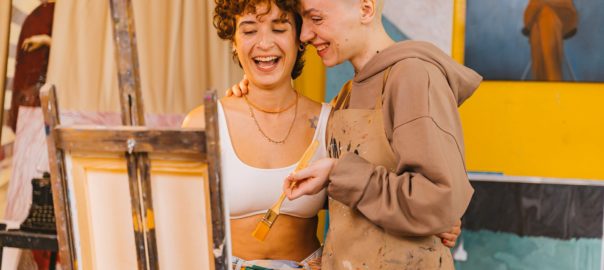
    How to Cure Art Block

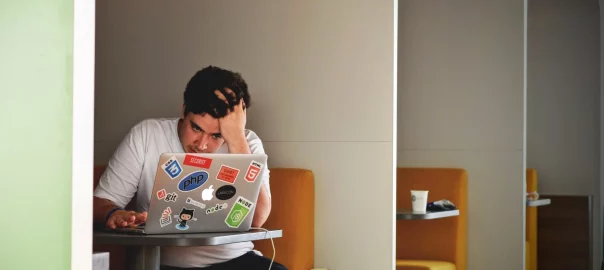
    Last week, we explored the most common causes of “art block,” which prevents many artists from expressing themselves and bringing their visions to life. This issue can exacerbate stress, anxiety, self-esteem issues or depression, so figuring out how to cure art block may improve your mental and emotional health. Let’s dive in with a solution for each of art block’s most common causes.

    1. Fatigue

    Whether your body is tired or your brain is, trying to create when you’re exhausted is a quick recipe for stumbling. If this feeling comes up every time you try to create art, or you find yourself dreading the artistic process, you might also be dealing with burnout. Burnout may be caused by a job or school that overworks you, or it may happen to artists who push themselves to create a lot of art in a short period of time.

    Whatever kind of fatigue you’re dealing with, the answer is rest. Give yourself permission not to make art for at least a week. If you find yourself itching to create before the week is up, great! If you’re still tired afterward, you may need more time off (especially if art caused the burnout). Or you may need to lighten your other responsibilities so your brain won’t be too fried to create.

    2. Inability to Focus

    If you can’t focus or get attached to any art ideas, it may be because of fatigue, as above. But sometimes this issue can happen on its own, as is common for people with stress, anxiety, or ADHD.

    My go-to here is to do small, brief sketches or doodles. If you want to make a bigger or more complex project, but aren’t sure if your brain can stick to it right now, try thumbnailing the image or concepts a few times. Keep it simple! If you can draw a small, easy image, you’ll get the satisfaction from finishing something, which may spark more interest from your brain. Plus, thumbnails can help you work out kinks in the art idea before you try to make it “for real.”

    If small sketches or thumbnails don’t help, try taking a break. If you can’t stop thinking about something non-art-related, try writing those thoughts down or talking them through with a friend. Your brain may need to get some exercise, sleep on it, or resolve its other preoccupations before it can dive into art.

    3. Decision Paralysis

    You’ve got the energy. You’ve got the attention span. But you can’t put pen to paper. You may be dealing with decision paralysis.

    Decision paralysis comes in two forms. First, there’s the inability to choose what to create. Fortunately, working out how to cure art block for this is pretty straightforward. You could take requests, such as in Reddit Gets Drawn, or prompts from random generators. You could revisit one of your old works and try making it again to see how your style has changed.

    If you do have ideas, but can’t decide between them, try creating an “idea document.” Here you’ll list all the ideas for things you want to create. Toss short descriptions of each idea in there as it comes to you, and set aside all of them but one for now. This can help your brain stop worrying about fear of missing that one really cool idea.

    The second type of decision paralysis artists encounter is blank page syndrome: you’ve got the idea, and can probably see it in your head, but it’s hard to get it onto the page.

    A couple different things could help here. First, collect references and inspirational material for your subject, and try tracing or copying them. Familiarizing yourself with the subject will help you put your own spin on it. Second, make thumbnails, and experiment with lots of different ways to start. Don’t worry if they look bad – they aren’t the “real” art you’re trying to make, just rough drafts.

    But blank page syndrome can be caused by something deeper…

    4. Self-criticism and Pressure

    One of the challenges of art is that it forces you to confront your own level of ability – or lack thereof. You can’t help but compare your results to what’s in your head, or to other people’s art. And for many of us, flaws in our art feel like flaws in ourselves.

    How to cure art block for this? I suggest you make bad art on purpose. Scribble all over the page. Draw wonky perspective or mismatched eyes. Then do it again, and again – an ugly doodle every day for a week, if you can.

    The point of this is to show the fearful part of your brain that it’s okay to mess up, because you’ll always have another chance. It will also teach your brain that you can still create art even while feeling intimidated or anxious. You might even like some of the results.

    The second thing I’ve found helpful for most people is to compare your work to your previous works, not to other people. It doesn’t matter if your skill isn’t where you want to be yet. As long as it’s getting better over time, it will eventually get there. Remember that every creator you admire started off as a novice like you, and took a long time to get skilled, too.

    5. How to cure art block when you have mental health issues?

    The hard truth is, art block is sometimes caused by things you can’t fix with a single blog post like this one. Self-criticism may come from low self-esteem, anxiety, or depression. Lack of focus may come from ADHD or other disorders. I don’t want to alarm you – usually art block isn’t something to seriously worry about. But if you’ve been struggling with your mental health, it’s very likely to interfere with your art.

    The good news is that there are more resources for recovery than ever before. Art classes can be a great way to build your confidence and find support, and you can also find meetup groups and forums for artists. For a mental health focus, you can look into support groups, group counseling, or working with a therapist. Drop me a line if you have questions about ways to find support or are interested in starting therapy.

  • What Causes Art Block?

    What Causes Art Block?

    If you’re an artist, or even just like doodling sometimes, you’ve probably encountered “art block.” It’s like writer’s block, but for artists, and can be just as frustrating. It’s especially tough because for many of us, art is how we express our feelings, build confidence, and cope with stress. But there’s good news: we can figure out what causes art block by locating the steps in the process where people get stuck.

    1. You can’t think of any ideas.

    This one is actually less common than #2. Most people can think of something to make, even if just by looking around the room and drawing what they see. This is for when your brain can’t even get that far. It just feels stuck or empty.

    A few different things can cause this:

    • You’re mentally or physically tired.
    • You’re experiencing decision fatigue. This is a type of mental exhaustion that can happen if you’ve been making decisions or managing responsibilities all day. Decision fatigue makes it hard to make all the micro-decisions needed for creating art.
    • You’re overwhelmed by possibility. Sometimes, having a blank canvas in front of you and no limits actually makes creativity harder.
    • You’re not used to coming up with creative ideas. This one gets easier with practice.

    2. You get ideas, but can’t pick one.

    Many people who think they have #1 are actually dealing with this one. The ideas may be very plain and boring, like “Draw the coffee cup in front of me,” but those are still ideas. It could be that none of your ideas capture your attention or inspire you. Or it may happen so automatically that you don’t even notice the ideas slipping by. These things can cause it:

    • Your brain needs help focusing. This happens most often for folks with ADHD, but can also happen to anyone who is stressed out, preoccupied, or just plain tired.
    • Your brain is ruling out ideas too quickly. Many people will unconsciously do this because they don’t feel skilled enough to attempt their ideas yet, or don’t think the ideas are worth trying.
    • You’re trying to pick the perfect idea. This can lead to a lot of waiting…

    3. You can pick an idea, but can’t bring yourself to start drawing/painting.

    You know what you want to make but something is getting in the way! What is it?

    • You’re putting too much pressure on yourself. Bolded because it is the most common cause of art block I see. Artists will want to make the art look just like it does in our heads, and it never does. This is closely related to fear of messing up.
    • You’re not sure how to start. As in, you literally don’t know which marks to put on the page, or in what order. This can be fixed by learning more about the thing you want to draw.
    • Attention difficulties. This includes decision fatigue and lack of focus, too.

    4. You can start drawing/painting, but it doesn’t turn out how you wanted.

    In this scenario, you can create art, but it isn’t meeting your standards. It may feel like your skills have disappeared, your hand won’t obey your brain, or errors jump out at you after you draw them.

    98% of the time, you haven’t actually “lost” any skill. It may be that you’re rushing, or forgot a specific technique, or are using bad materials. Or, like with #3, you could be too self-critical. If you create art while you’re already feeling bad about yourself, it’s common for that to influence how you see your artwork, too. Which leads us to #5…

    5. What causes art block the most? Low self-esteem.

    The biggest underlying reason why people get stuck – and the reason I’m talking about this on a mental health blog – is that many artists struggle with self-esteem. Art is very personal, and it’s hard not to see your art as a reflection of yourself.

    On the upside, this means improving your self-esteem will probably improve your art skills, too. Why? Because then your identity and self-worth won’t depend on it. It will make art more fun, less stressful, and you’ll probably get more art done. This is the core of my approach for my artistic clients in therapy. Drop me a line if it sounds like it’d be helpful for you, too.

    Now that we’ve gone over what causes art block, you have figured out where your own “sticking point” is. Or you may think, “That’s great, but I’d really like to know how to cure art block, too!” Not to worry: next time, I’ll talk about ways you can tackle each of the causes I listed today. Until then, happy art-ing!

  • How to Deal with Roommate Conflict

    How to Deal with Roommate Conflict

    A great roommate can be the best friend you ever had. A bad one can make life miserable. But most roommates will fall somewhere in the middle: regular people that sometimes you’ll have issues with. So how do you keep the molehills from becoming mountains? Let’s find out how to deal with roommate conflict, and make life simpler for both of you!

    1. Give them the benefit of the doubt.

    Your roommate may not have meant to hurt you or cause trouble. Did they know that leaving dishes in the sink would bother you, or that they weren’t supposed to eat some of your snacks? It may seem obvious to you, but it may not be obvious to them.

    Look for a non-malicious explanation of their behavior. If you can’t think of one, try asking them about it in a non-accusatory way: “I felt [emotion] when I noticed you did [problem behavior]. Did you mean to do that? I wanted to ask in case something was going on there.”

    2. Agree on expectations.

    You and your roommate may have different ideas for how to live together, how to talk to each other, and of course, how to deal with conflict. Your family raised you with one picture of “normal,” and your roommate’s family had theirs. So ask them how they expect things should work, and let them know if it’s different from yours.

    For instance, you may be annoyed that your roommate leaves the television on when no one’s watching it. You could say: “I’m used to living in a quiet house and find the TV distracting. Are you used to leaving it on?” This lets them know something is bothering you, without blaming them for it. Then you can start finding common ground.

    3. Be clear about what you need.

    Avoid being passive-aggressive or hoping they’ll get the hint. Your roommate won’t be able to do better unless they know what you need from them, and why it’s important. Here are a couple starting points that are firm but polite:

    “I feel [emotion] when [problem] happens, and I need [desired change].”

    “[Behavior] causes [problem] for me. Can we [find an alternative/stop doing it/do it in a different way]?”

    4. Consider a compromise.

    Your roommate may point out needs of their own. If they leave the television on all the time, it might be that they’re afraid of burglary and the background noise helps them feel safer. Or maybe they have ADHD, and noise helps them study. When you and your roommate have conflicting needs or desires, look for an alternative or middle ground.

    This might mean that sometimes you do things your roommate’s way, and sometimes they do it your way. It could mean they always do it your way, but you agree to do something else that helps them. Or vice-versa. There might even be a way for both of you to get your needs met: the roommate with ADHD could wear headphones, and the one with burglar anxiety could split the cost of a security system with you.

    Not everything can be a compromise. Sometimes one person is simply wrong, and won’t budge, and won’t offer anything in return.

    5. If you don’t know how to deal with roommate conflict on your own…

    Figuring out how to deal with roommate conflict is sometimes much tougher than having a calm, honest conversation. If either of you is dealing with stress, relationship issues, or mental health concerns, you may have a long road ahead. Some strategies that my clients find helpful for this are improving communication, setting boundaries, assertiveness, and taking care of their own mental health. Therapy sessions a great place to practice these skills – plus, you can use them to improve your other relationships, too. Drop me a line if you’re interested in developing these strengths for yourself!